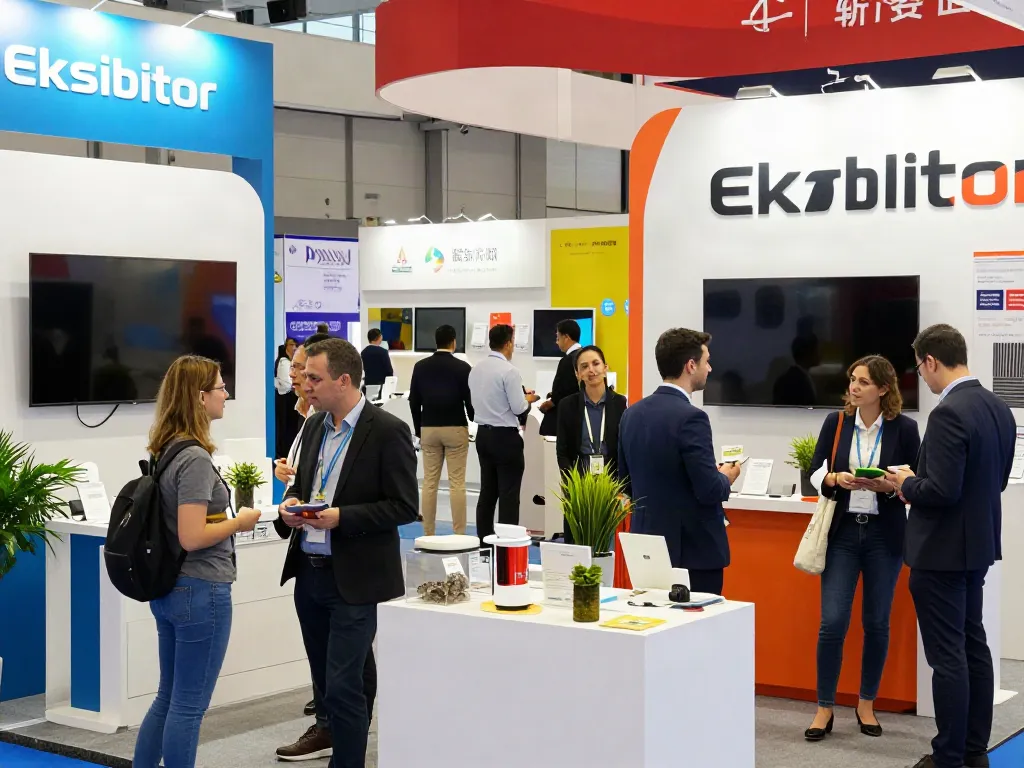
Understanding the Role of Eksibitors in Trade Shows
Trade shows serve as a vital platform for industries to showcase their innovations, connect with potential clients, and understand market dynamics. Within this framework, eksibitors play a crucial role in representing various businesses and products. An eksibitor, often referred to as an exhibitor in international contexts, is an entity that displays its products or services at trade shows and exhibitions. These participants not only contribute to the vibrancy of trade events but also facilitate essential networking opportunities among industry stakeholders. When exploring options, eksibitor provides comprehensive insights into market offerings across various sectors.
What is an Eksibitor?
An eksibitor is typically defined as a business or organization that takes part in trade shows to promote its products and services to a targeted audience. This role encompasses various activities, including setting up booths, engaging with attendees, and showcasing product demonstrations. Whether it’s a large multinational corporation or a small startup, eksibitors vary widely across industries, and their level of participation can significantly impact trade show outcomes.
The Importance of Eksibitors for Industry Networking
Networking is one of the most significant advantages of participating as an eksibitor. Trade shows gather numerous industry players under one roof, creating opportunities for direct interactions. By engaging with other eksibitors and industry professionals, businesses can forge partnerships, discover new suppliers, and connect with potential clientele. Successful networking often leads to valuable collaborations that can enhance business growth and innovation.
How Eksibitors Influence Market Trends
Eksibitors are not just passive participants; they actively shape market trends through their presentations and interactions. By showcasing new products and technologies, they provide insights into industry advancements and consumer preferences. Moreover, through market feedback gathered during these events, eksibitors can adjust their marketing strategies and product offerings, influencing broader market dynamics.
Benefits of Participating as an Eksibitor
Increased Brand Visibility and Recognition
One of the primary benefits of being an eksibitor is the considerable increase in brand visibility. By showcasing products in an engaging environment, companies can elevate their brand presence and attract attention from potential customers and partners. This visibility can translate into long-term brand recognition, as attendees often remember experiences and products they encounter at trade shows.
Direct Engagement with Target Audiences
Participating as an eksibitor facilitates direct interaction with target audiences, allowing for meaningful conversations that can lead to sales opportunities. Face-to-face engagements enable businesses to convey their value propositions effectively and address potential customers' questions or concerns. Furthermore, such interactions foster trust and credibility, which are vital for converting leads into sales.
Opportunities for Market Analysis and Feedback
Trade shows provide a unique environment to gather feedback directly from consumers and industry insiders. Eksibitors can conduct informal surveys, observe competitors, and interact with visitors to glean insights about market trends and customer preferences. This invaluable feedback can inform product development and marketing strategies, ensuring that businesses remain competitive in an ever-evolving market landscape.
Challenges Faced by Eksibitors
Cost-Benefit Analysis of Exhibit Participation
While the benefits of being an eksibitor are substantial, businesses must also consider the costs associated with participation. Expenses such as booth design, marketing materials, travel, and accommodation can add up quickly. Therefore, conducting a thorough cost-benefit analysis is crucial to ensure that the potential returns justify the investment. This analysis should consider not just immediate sales, but also long-term relationship-building and brand positioning.
Logistical Considerations and Planning
Preparing for a trade show involves meticulous planning and logistics management. From securing the right booth space to arranging transportation for products, the planning process can be overwhelming. Moreover, eksibitors must ensure compliance with regulations and guidelines set by trade show organizers. Poor planning can lead to logistical nightmares, impacting the overall experience and effectiveness of their participation.
Common Misconceptions About Exhibitor Success
Many businesses mistakenly believe that merely participating in a trade show guarantees success. However, success as an eksibitor requires active engagement and strategy. Factors such as booth design, staff training, and pre-and post-event marketing play a pivotal role in determining outcomes. Understanding these dynamics is essential for maximizing trade show participation effectiveness.
Best Practices for Maximizing Eksibitor Success
Effective Booth Design and Layout Strategies
The design and layout of an eksibitor's booth are critical for attracting visitors. A well-organized, visually appealing booth can create a welcoming atmosphere that encourages engagement. Elements such as interactive displays, digital screens, and comfortable seating areas can enhance the visitor experience and increase the time spent at the booth, leading to more meaningful conversations.
Engagement Techniques to Attract Attendees
To draw attendees to their booths, eksibitors should employ various engagement techniques, including product demonstrations, live presentations, and giveaways. Such activities not only attract attention but also create memorable experiences that attendees associate with the brand. Establishing a rapport with visitors through enthusiastic and knowledgeable staff can significantly enhance engagement levels.
Post-Event Follow-Up and Lead Nurturing
Success does not end with the conclusion of the trade show. Following up with leads and contacts made during the event is crucial for converting interest into sales. Businesses should utilize customer relationship management (CRM) systems to track interactions and tailor follow-up communications. Effective lead nurturing can turn initial inquiries into loyal customers.
Future Trends for Eksibitors in 2026 and Beyond
Emerging Technologies Impacting Trade Shows
As technology continues to evolve, so too does its impact on trade shows. Innovations such as virtual reality (VR), augmented reality (AR), and artificial intelligence (AI) are transforming how eksibitors engage with attendees. These technologies provide immersive experiences that can significantly enhance product presentations and interactions, paving the way for more dynamic and engaging trade shows.
Sustainability and Its Role in Exhibiting
With growing awareness of environmental issues, sustainability has become a key consideration for eksibitors. Companies are increasingly seeking eco-friendly materials and practices in booth design and operations. Exhibitors that prioritize sustainability can appeal to environmentally conscious consumers and set themselves apart in competitive markets.
The Evolution of Virtual and Hybrid Exhibitions
The rise of virtual and hybrid exhibitions has opened new avenues for eksibitors. While in-person events are invaluable, the flexibility offered by virtual platforms allows businesses to reach a broader audience without the geographical constraints of traditional trade shows. This evolution presents opportunities for increased engagement and participation from those unable to attend physical events.
What are the Key Metrics for Measuring Success?
To assess the effectiveness of trade show participation, eksibitors must identify and monitor key performance indicators (KPIs). Metrics such as lead generation, sales conversions, brand exposure, and attendee engagement rates offer insights into the success of the event. Analyzing these metrics helps businesses refine their strategies for future trade shows.
How to Choose the Right Trade Shows for Your Business?
Selecting the right trade shows is fundamental to maximizing the benefits of being an eksibitor. Businesses should consider factors such as the show's target audience, industry relevance, geographical location, and past attendee statistics. Aligning the selection with business objectives ensures that the investment in trade shows yields positive outcomes.