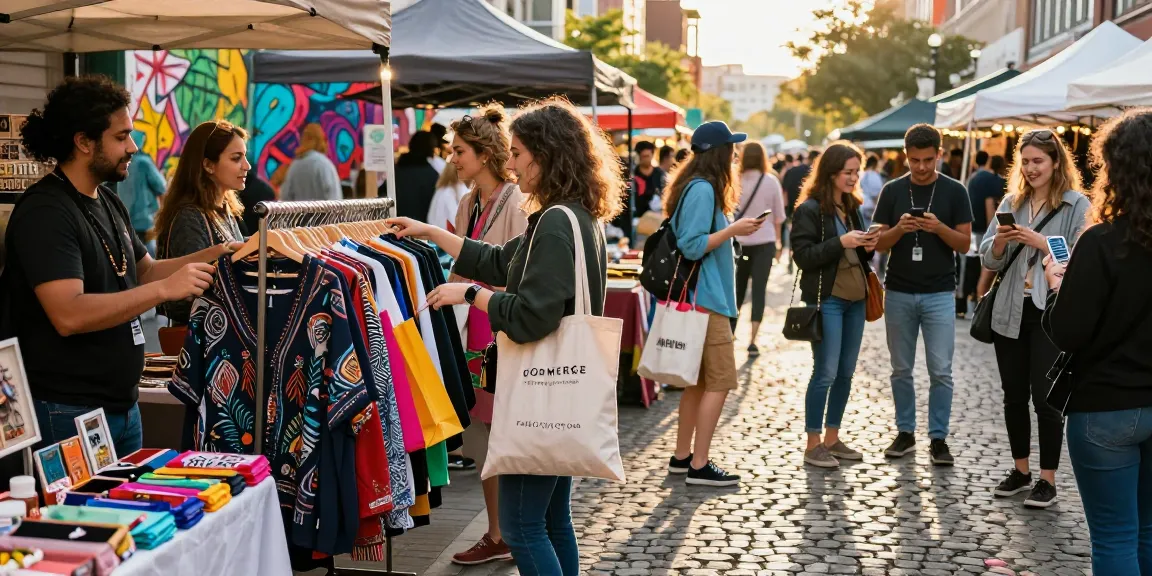
Understanding bro138 in the Fashion E-Commerce Landscape
In the rapidly evolving world of fashion e-commerce, staying updated on the latest trends and technologies is essential for brands aiming to thrive in a competitive marketplace. One emerging element that has captured the attention of industry analysts and fashion enthusiasts alike is bro138. This concept encapsulates not only fashion-forward thinking but also the strategic methodologies adopted by e-commerce platforms to enhance user experience and drive sales. As the digital landscape expands, understanding these elements becomes crucial for businesses that wish to adapt and grow.
What is bro138 and its Significance?
Bro138 represents a new benchmark in fashion e-commerce, combining innovative technology with consumer-centric approaches to redefine how shopping experiences are curated. It signifies an integration of artificial intelligence, data analytics, and personalized marketing strategies that aim to connect with consumers on a deeper level. The significance of bro138 lies in its ability to streamline shopping processes while enhancing the overall consumer engagement through data-driven insights.
Market Trends Influencing E-Commerce in 2026
As we approach 2026, several market trends are poised to impact the fashion e-commerce landscape significantly. Mobile commerce is set to rise as smartphones become the primary shopping device for consumers. Additionally, sustainability is becoming a paramount consideration, with consumers increasingly favoring brands that prioritize environmentally friendly practices. Furthermore, the rise of social commerce—integrating shopping experiences directly within social media platforms—continues to reshape consumer behavior.
User Engagement and Interaction with Fashion Trends
User engagement is pivotal in the fashion e-commerce sector, especially when it comes to emerging trends like bro138. Brands are leveraging social proof, influencer collaborations, and interactive content to foster community and connection. Tools like augmented reality (AR) are also enhancing user interaction, allowing consumers to visualize how products will fit into their lives before making a purchase. By integrating these innovative approaches, brands can create memorable experiences that entice consumers to engage further.
Analyzing Competitor Strategies in Fashion
Competitive Analysis of bro138's Market Position
The competitive landscape for bro138 reveals various strengths that brands are leveraging to maintain a robust presence. Brands that adopt comprehensive analytics to understand consumer behavior and preferences often find themselves at an advantage. This insight allows them to tailor their offerings, anticipate fashion trends, and adjust marketing strategies dynamically, which is essential for capturing market share in a saturated arena.
Success Stories: Brands Leveraging E-Commerce Innovations
Several brands have successfully transformed their e-commerce strategies by incorporating elements of bro138. For instance, high-end fashion labels have begun utilizing AI for personalized shopping experiences, leading to increased consumer satisfaction and loyalty. Fast-fashion retailers, on the other hand, are employing data analytics to identify trends in real-time, allowing them to update their inventory rapidly and remain aligned with consumer demand.
Common Challenges in the E-commerce Landscape
While e-commerce presents numerous opportunities, it also brings considerable challenges. Brands must contend with issues such as cart abandonment, data security, and meeting consumer expectations for fast shipping and excellent customer service. Additionally, navigating the complexities of SEO and online visibility remains a crucial hurdle, as the competition for online space intensifies.
Effective Marketing Techniques for Fashion Brands
SEO Strategies Tailored for Fashion E-Commerce
Search engine optimization (SEO) remains a cornerstone of online marketing for fashion e-commerce brands. Incorporating long-tail keywords specific to fashion trends, such as those reflecting the essence of bro138, is vital. Techniques such as optimizing product descriptions, using alt text for images, and creating engaging blog content about fashion trends can significantly enhance organic search visibility.
Utilizing Social Media for Brand Engagement
Social media serves as a dynamic platform for fashion brands to engage directly with their audience. Strategies that incorporate storytelling, user-generated content, and influencer partnerships can amplify brand visibility. Tools like Instagram and TikTok allow brands to showcase their products creatively and interactively, fostering a strong community around their offerings.
Creating Compelling Content that Converts
Content marketing is key to driving conversions in the fashion sector. Brands must focus on creating content that resonates with their target audience, whether through blogs, videos, or interactive tools. This content should not only highlight product features but also tell stories that connect with consumers emotionally, encouraging them to make a purchase.
Best Practices for E-Commerce Success
Design and User Experience Considerations
The design of an e-commerce website directly impacts user experience and conversion rates. Ensuring a seamless, intuitive interface with fast loading times and mobile optimization is crucial. Furthermore, incorporating elements of personalization, such as recommending products based on browsing history, can significantly enhance user satisfaction and retention.
Building a Robust Online Presence for Fashion Brands
Establishing a strong online presence involves more than just a well-designed website. Brands should strive to be visible across multiple platforms, including social media, online marketplaces, and fashion blogs. Engaging with the audience consistently through various channels is essential for building brand credibility and loyalty.
Measuring Performance and Success Metrics
Effective measurement of marketing efforts is vital for understanding success in the fashion e-commerce landscape. Key performance indicators (KPIs) such as conversion rates, average order value, and customer retention rates provide insights into how well a brand is performing. Regularly analyzing these metrics can inform decision-making and help brands adjust strategies as necessary.
Future Forecasts for E-commerce and Fashion Trends
Emerging Technologies Impacting Fashion Retail in 2026
By 2026, emerging technologies such as artificial intelligence, blockchain, and virtual reality are set to transform the fashion retail landscape. AI can enhance personalization strategies, while blockchain technology offers increased transparency in supply chains, appealing to the growing demand for ethical fashion practices. Virtual reality, on the other hand, allows consumers to experience products in an immersive way, shattering traditional shopping boundaries.
Predictions for Consumer Behavior in E-Commerce
Predictions indicate that consumer behavior will continue to shift towards prioritizing personalized experiences and sustainability. Brands that can adapt to these changing preferences and leverage them to create meaningful shopping experiences will likely succeed. As the significance of community-conscious choices grows, brands must showcase their commitments to ethical and sustainable practices through their marketing strategies.
Innovative Solutions for Sustainable Fashion
Sustainability will become a critical focus in the future of fashion e-commerce. Brands are increasingly exploring innovative solutions, such as eco-friendly materials and circular fashion models. By incorporating sustainability into their core strategies, brands not only appeal to environmentally conscious consumers but also contribute positively to the planet.
What Are the Key Factors Driving Change in E-Commerce?
Several factors are driving change in the e-commerce landscape, including technological advancements, shifting consumer preferences, and evolving regulatory frameworks. Understanding these components is essential for brands looking to navigate the complexities of the market effectively. Brands that can anticipate and adapt to these changes will be better positioned for long-term success.
What Role Does Technology Play in the Future of Fashion?
Technology will continue to play a transformative role in the fashion industry, influencing everything from design and production to marketing and retail. As innovations emerge, brands must remain agile and open to adopting new approaches that enhance operational efficiency and consumer experience. The integration of technology is not just about keeping up with trends; it is about enhancing the overall brand value and connection with consumers in an increasingly digital world.